
Understanding Abstract Art – What is Abstract Art?
What is Abstract Art?
Whether you love it or hate it, abstract art is a defining and revolutionary art form in the modern era. It fostered a sense of freedom and facilitated a collective shift in the way society approached creativity and self-expression. So what is abstract art you ask? Abstract art emerged in the early 1900s as a new and strange style within the modern art movement. It marked a significant departure from the traditional art forms that sought to represent the world as it appeared. Instead, painters and sculptors explored a new way of creating art that aimed to depart from reality and separate something from its original subject – thus giving birth to abstract art.
This may sound like a simple idea, but it was very controversial at the time. It was so shocking that many first refused to accept it as art at first, but reluctantly got convinced. Ever since its inception, there has been a continued interest in abstract art because of its profound ability to inspire our curiosity. For artist and viewer alike, there is something so very poetic in abstract art in that it is completely unique and open-ended, allowing for mixed interpretation and amazing variety of personal meaning for each person.
Why Was Abstract Art Created?
The 20th century brought about tremendous changes that had a profound impact on society and culture. By observing these changes it becomes apparent that abstract art was a natural expression of the times and the resulting effect that the machine age and technology had on society. Advancements in technology, such as the widespread use of electricity, the invention of the camera, the telephone, and radio, transformed the way people lived and perceived the world. Simultaneously, the machine age propelled progress in modes of transportation, offering unprecedented mobility via railroads, automobiles, boats, and planes. These new global advancements opened up a progressive era of prosperity all while the potential of dystopian World Wars loomed on the horizon.
“Abstract art has come into being as a necessary expression of the feelings and thoughts of our age; it has added new dimensions to creative painting.” ~ Leonard Brooks
The world changed a lot, and very quickly. Naturally, culture and art changed too. The rapid pace of progress during this era both exhilarated and unsettled individuals. On one hand, the world witnessed a new era of prosperity and endless possibilities. On the other hand, the looming threats of two devastating World Wars created a sense of uncertainty and anxiety. It was amidst these contrasting emotions and shifting societal norms that abstract art found its voice. Not only that but as society as a whole became less restrictive and more open, the very idea that art could be rebellious, individualistic, and imaginative was better able to be received among the critics and collectors.
Abstract Art Styles Exists On A Spectrum
Abstract art was first created with indifference and sometimes blatant rejection to how tradition defined art. It was born from an experiment and a need to explore in new creative ways. Thus, it only makes sense that abstraction is not restricted or confined by a concrete set of rules – it can vary on a spectrum from very slight to completely non-objective.
Wikipedia states: “Abstraction indicates a departure from reality in depiction of imagery in art. This departure from accurate representation can be slight, partial, or complete.”
“Abstraction allows man to see with his mind what he cannot physically see with his eyes… Abstract art enables the artist to perceive beyond the tangible, to extract the infinite out of the finite. It is the emancipation of the mind. It is an explosion into unknown areas.” ~ Arshile Gorky
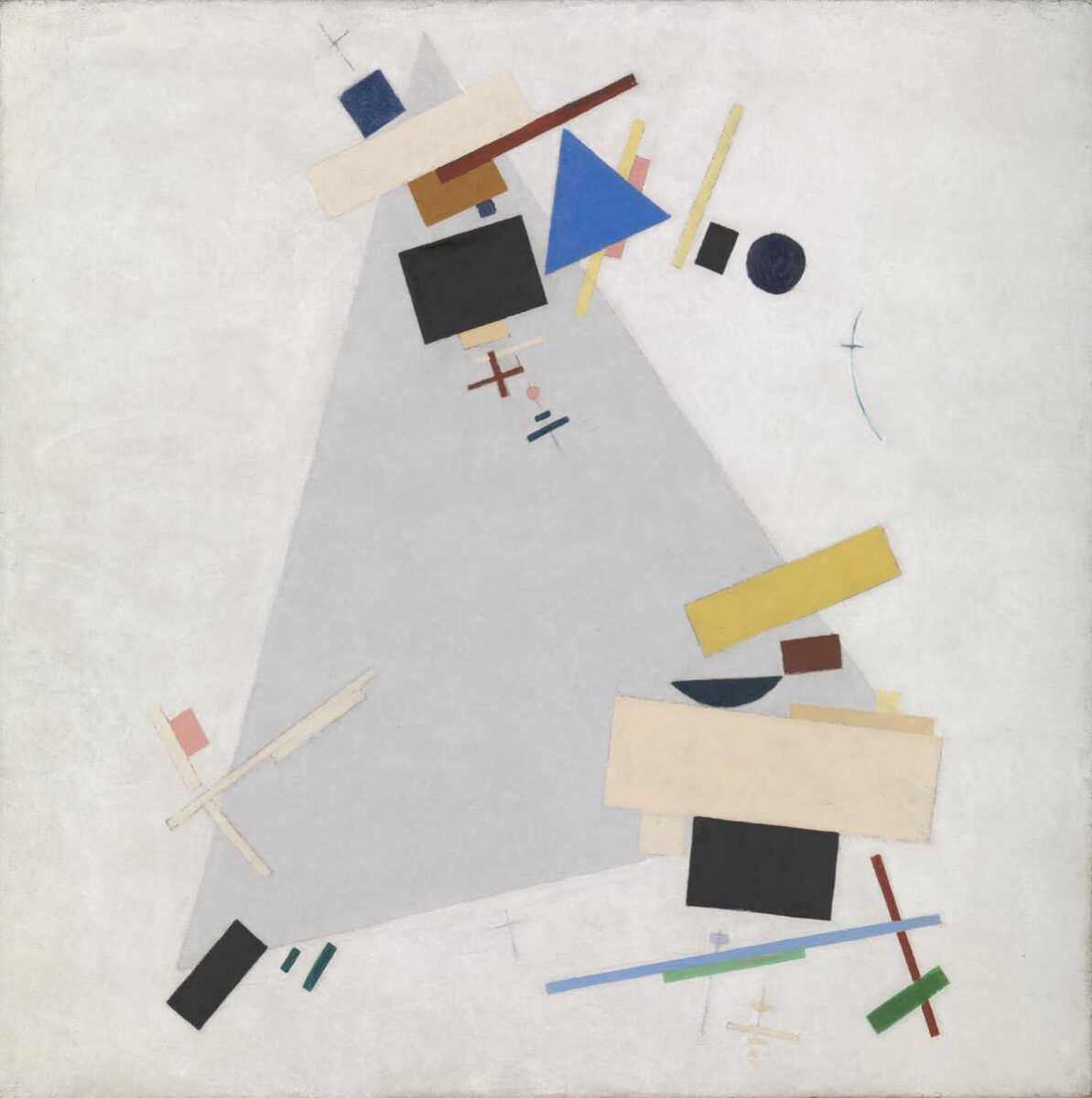
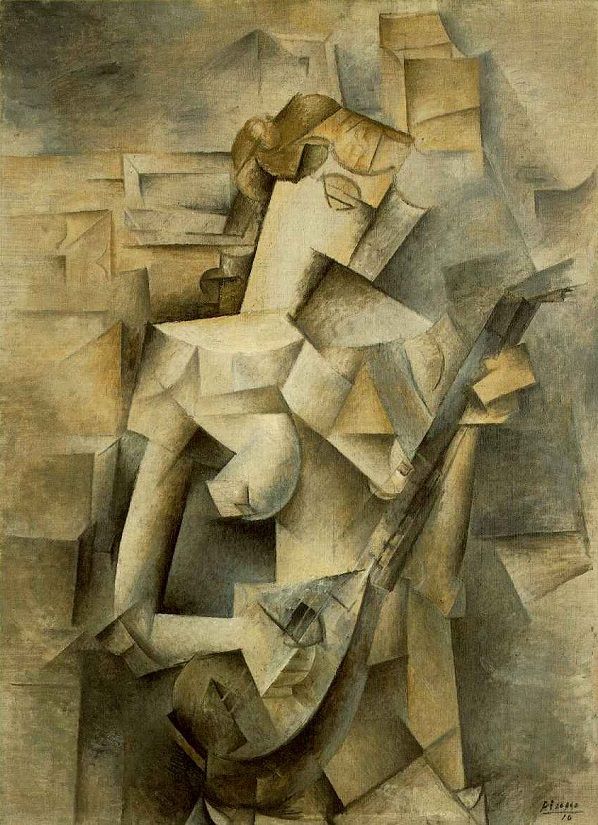
It is a common misconception to think that all abstract art does not have a subject matter – that it is made up of shapes, color, and form that represent nothing of the real world. This type of art is known as non-representational art or non-objective art (developed by Wassily Kandinsky and Kazimir Malevich), and while it is clearly a type of abstract art, the non-objective art style does not define the entirety of abstract art. After all, the earliest known abstract art paintings were known to be done in the Cubism style. Developed by Pablo Picasso and Georges Braques, these artists reduced and fragmented a realistic subject into strange forms and basic geometric shapes. Often they would use a figure or portrait of an actual person that then goes through an abstraction process. So within the spectrum of abstract art are a range of creative styles that are representational or expressive of their natural surroundings. This includes themes or subjects that are related to abstract nature art, or abstracted objects, landscapes, figures, cityscapes, and much more.
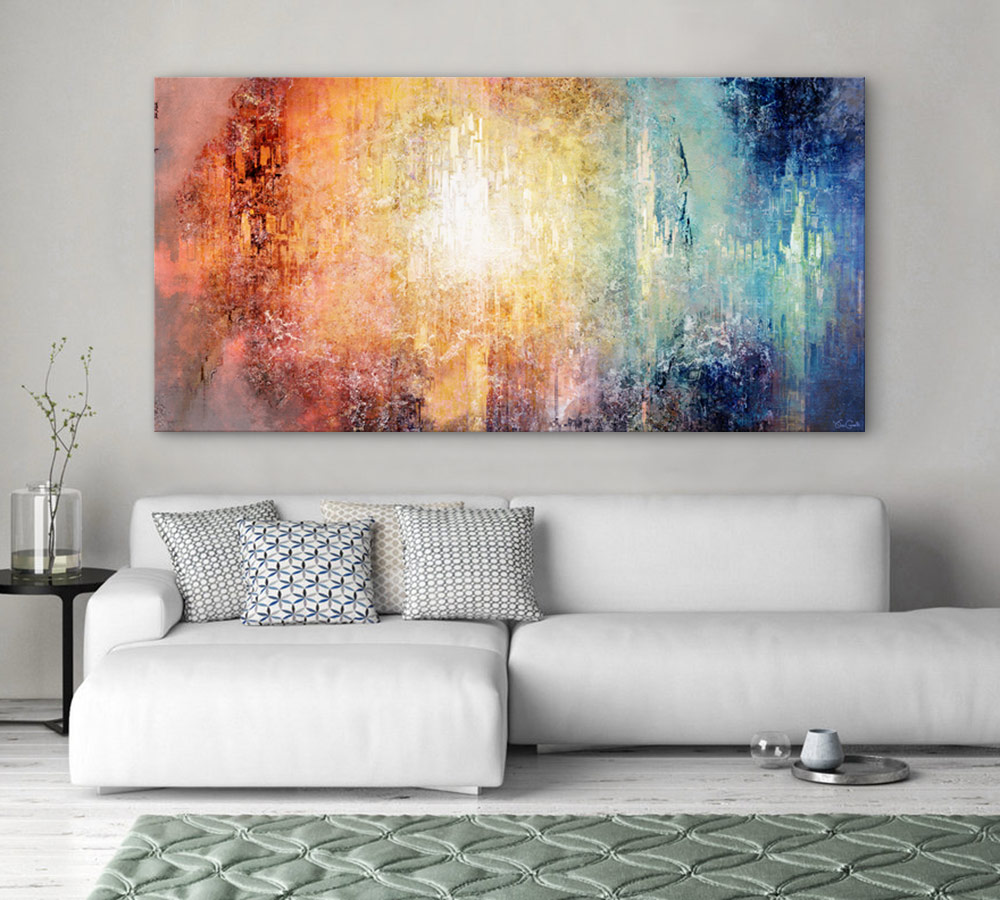
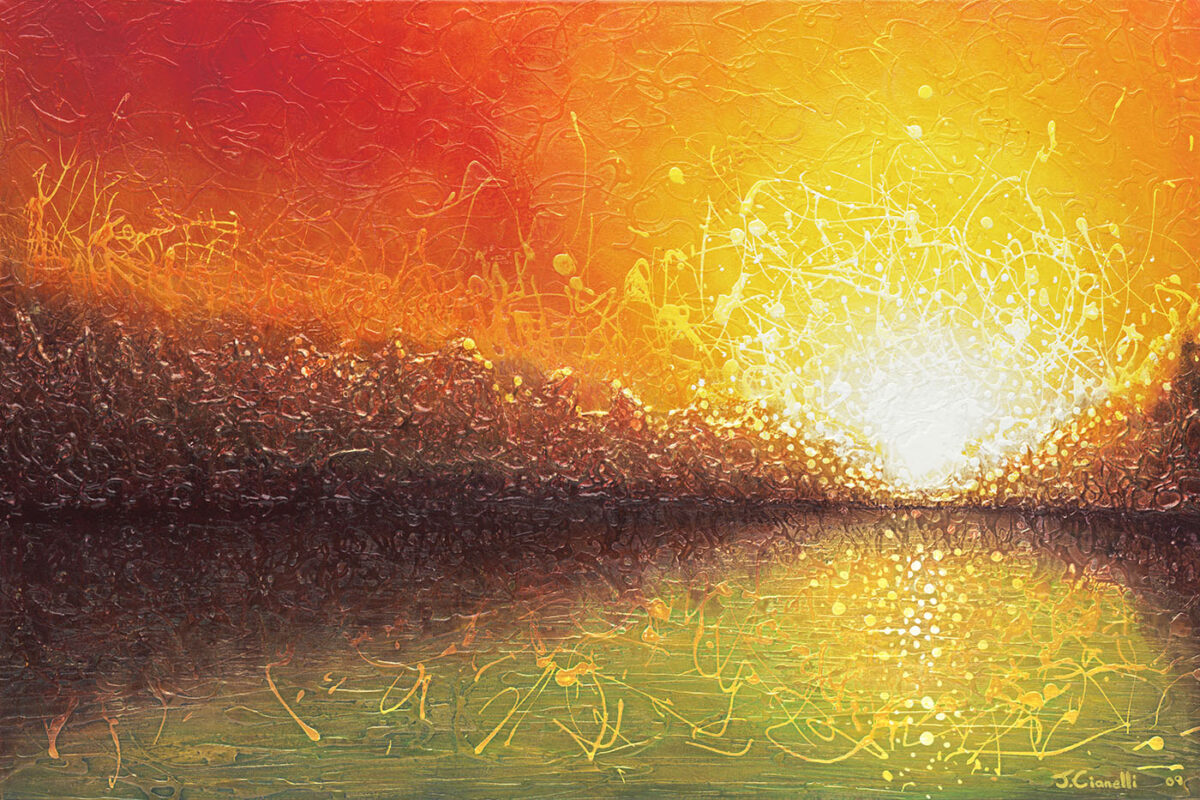
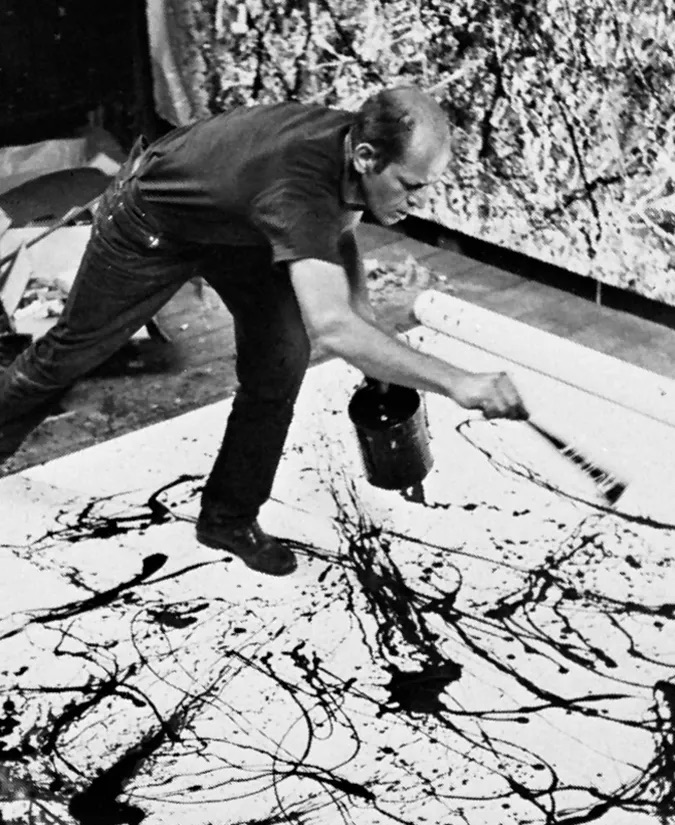
Over the years abstract art has evolved and been defined differently per the individual. For some artists such as Jackson Pollock, abstract art is the result of enjoying the action of painting with grand gestural movements that are in touch with the way the paint drips onto the canvas. Other artists who were influenced by Pollock, such as Jaison Cianelli, combined the idea of action painting with abstracting a subject such as a landscape.
“With abstract art I’m not trying to create a masterpiece, I’m trying to master peace.” ~ Jaison Cianelli
Today abstract art is still a popular style for creating art, and it’s not always painted with a brush and canvas. It’s important to remember photography or digital art can be abstract, as well as installation art and sculptures. Contemporary art today utilizes the abstraction process in any number of ways, with a wide range of styles that could be related to inner emotions, action painting, and abstracted subjects such as landscapes, water scenes, animals, famous figures, and more.
Abstract Artists Are Very Skilled In Their Own Way
Just about anyone can fill a canvas with paint, so in a way creating abstract artwork is easy right? Well, not exactly. The style and techniques of abstract art can vary from very simple to extremely hard, but distinguishing oneself in the art world by producing high-quality and unique abstract artworks is very hard. It’s also a common fallacy that abstract art is made by artists who can’t draw and have no academic training. Historically speaking, the original abstract artists were all trained in ancient traditions and could easily paint like classical artists, they just chose not to. Even today, many, if not all, professional abstract artists start out in realism creating compositions with a high degree of skill. There are also new unbelievable talents in the use of combining many other mediums besides paint. Abstract art is created with literally anything on hand with an array of technologies at the artist’s disposal. For example fabric, recycled waste, 3D printed items, written words, digital art, photographs, and natural material are all acceptable mediums in a visual abstract art piece.
“Abstraction allows man to see with his mind what he cannot physically see with his eyes… Abstract art enables the artist to perceive beyond the tangible, to extract the infinite out of the finite. It is the emancipation of the mind. It is an explosion into unknown areas.” ~ Arshile Gorky
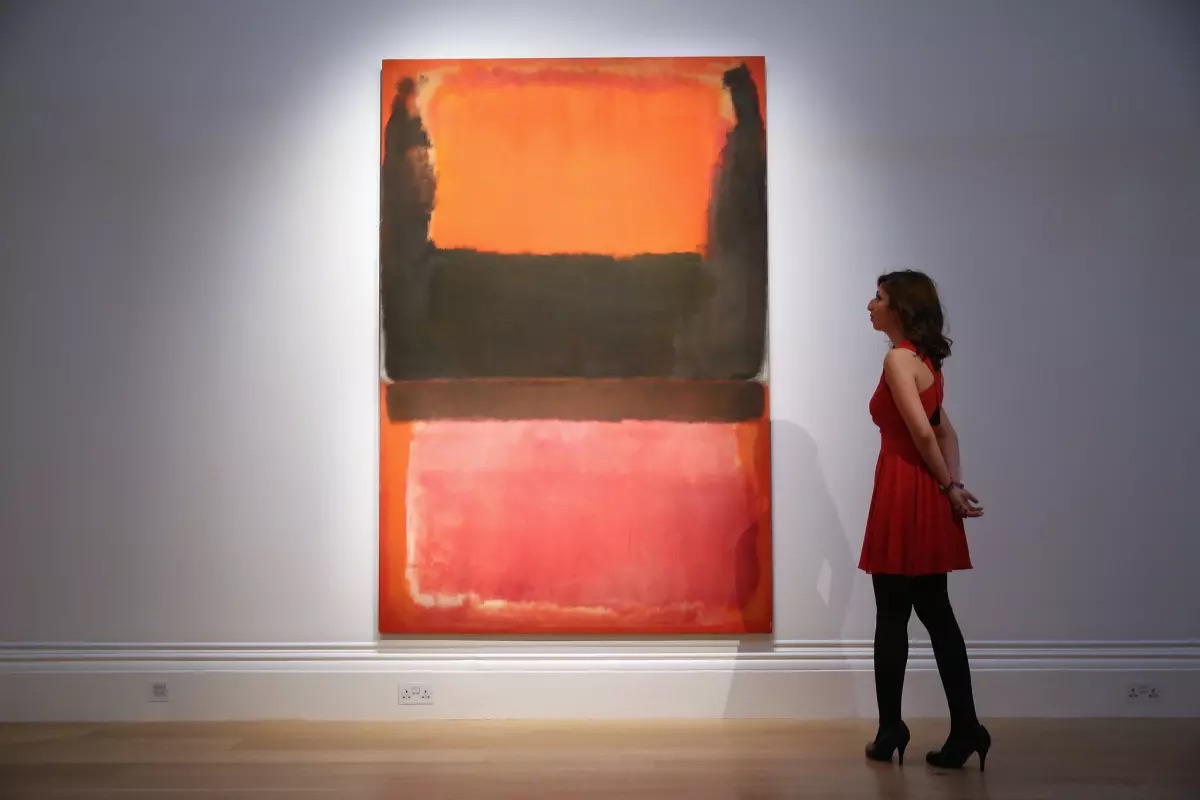
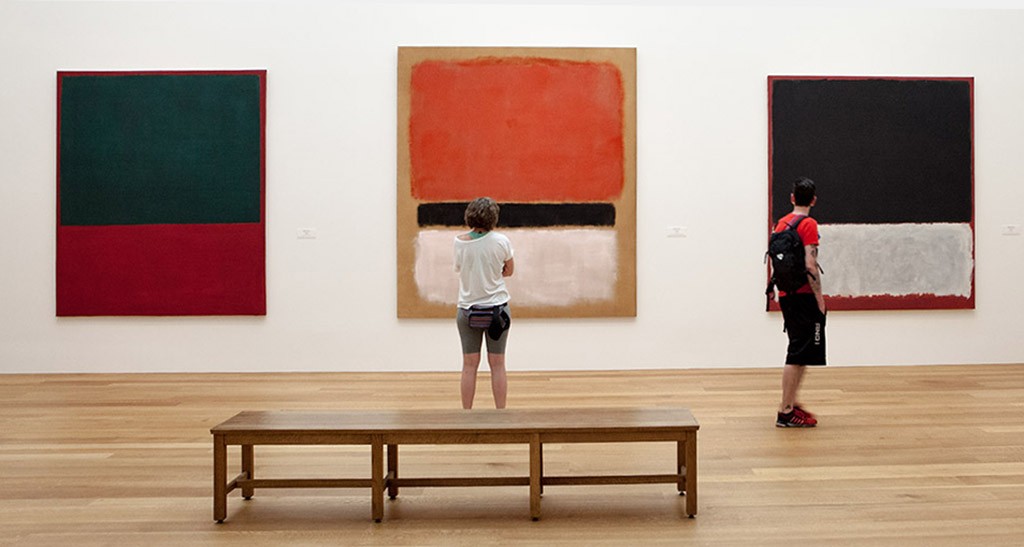
Not always, but sometimes, abstract art can look like very simple works of art that anybody can accomplish. So we are often left with the question of what makes the art special. For example some say that even a child could create the large color field paintings by Mark Rothko. And while Rothko’s paintings continue to increase in incredible value today, you have to remember that these are historical pieces that mark a great period in art history. Rothko believed his fields of color were spiritual planes that could tap into our most basic human emotions. Whether you agree or not, pioneering a style of art that represents a new idea or theory is not easy and not many will ever succeed at it. Not only that but some of Rothko’s paintings are very large, so they are more of an experience much like Pollock’s work, where the size of the art creates a presence that has to be felt in person to be truly appreciated.
Abstract Art Creates A Variety Of Feelings
Many people collect abstract art as decoration but also because they feel a connection to the overall emotions and energy that the art gives off. The best abstract artwork can literally change a living space and create a more beautiful atmosphere. The wonder of abstract art is that anyone can take what they see and interpret it however they want. And over time there is a very dynamic relationship with the art because of its open and free nature. This dynamic relationship gives life to the art and allows people to enjoy and receive it very differently, which is quite a unique characteristic.
“It [abstract art] should be enjoyed just as music is enjoyed after a while you may like it or you may not.” ~ Jackson Pollock
Abstract art is really a creative and evolving art style that resonated with new ideas both in the past and today. There are many varieties within it that can be appreciated in different ways since it is so free. It is also always changing with new technological advancements and ideas of expression. So from subject matter to how it is created, abstract art lives on a spectrum of interpretation of what it was and what it will be.
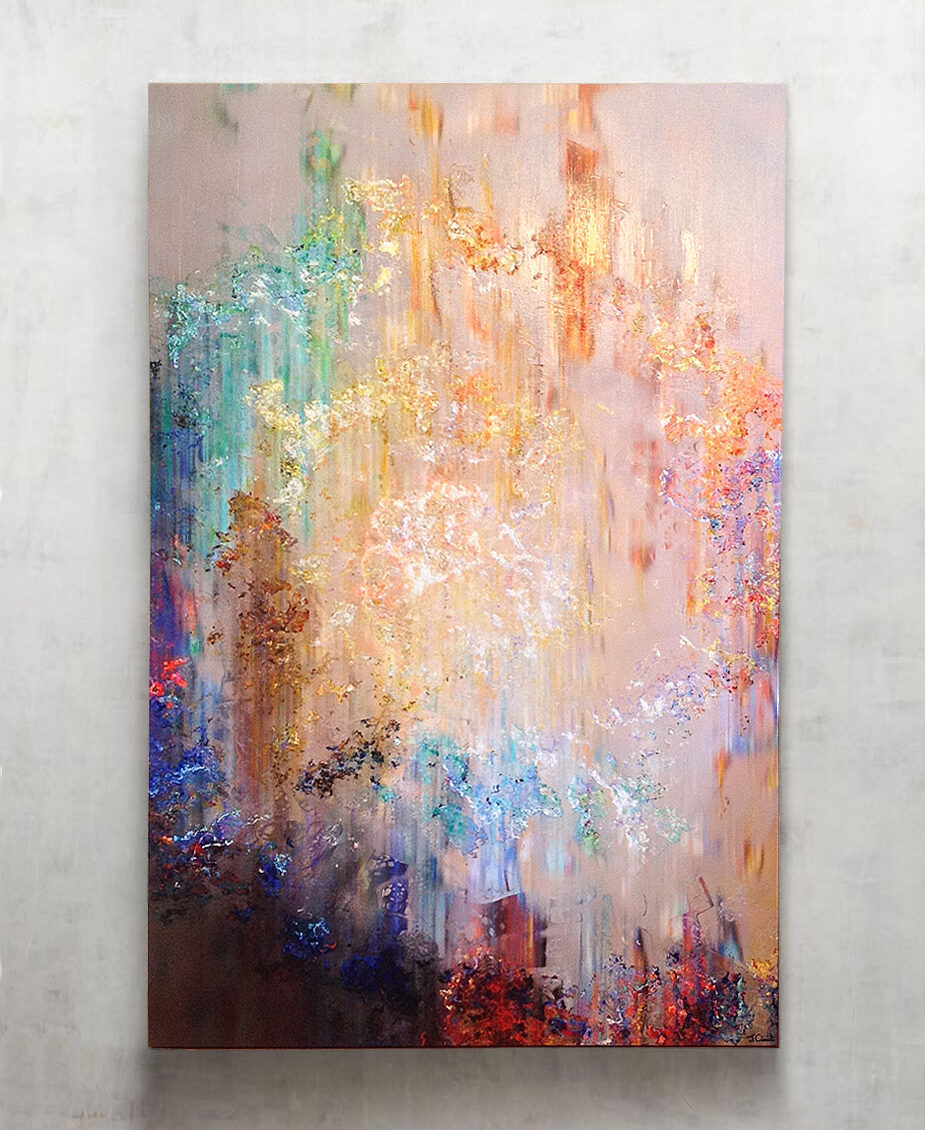
Examples Of Abstract Art
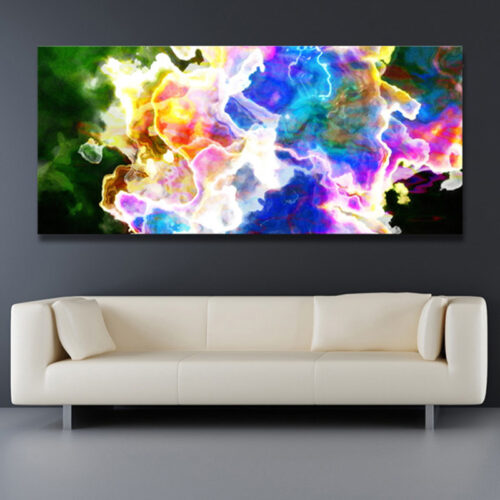
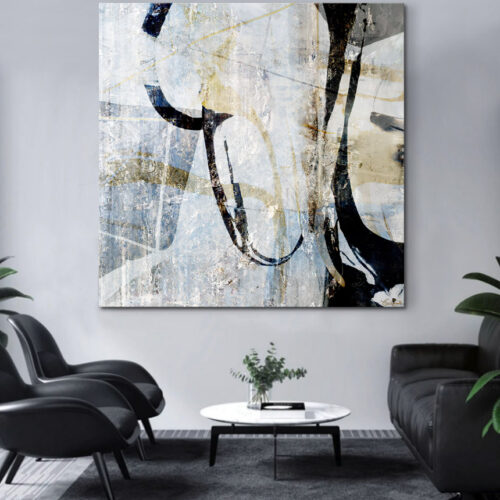
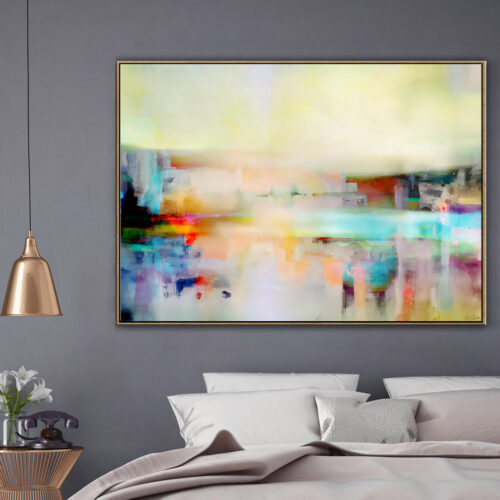
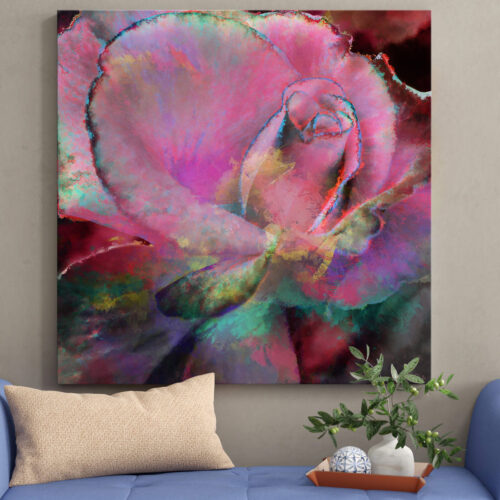
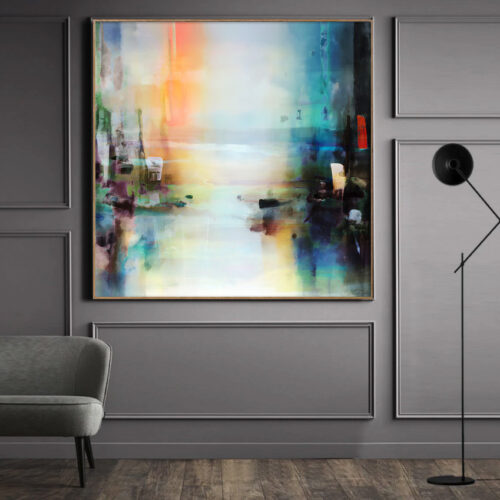
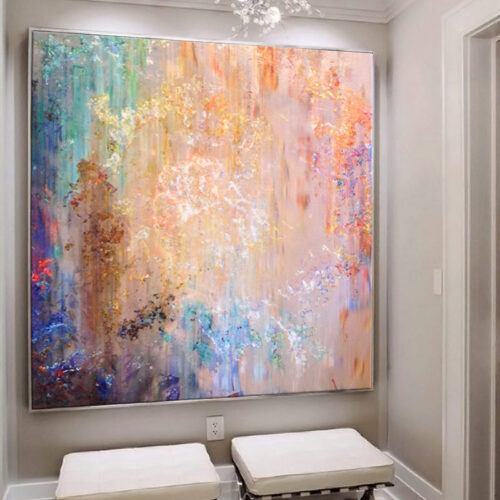
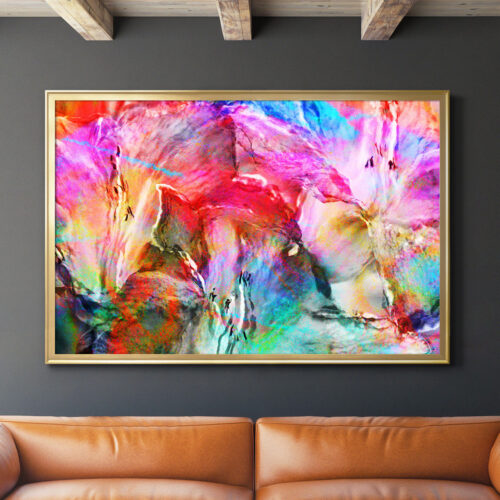
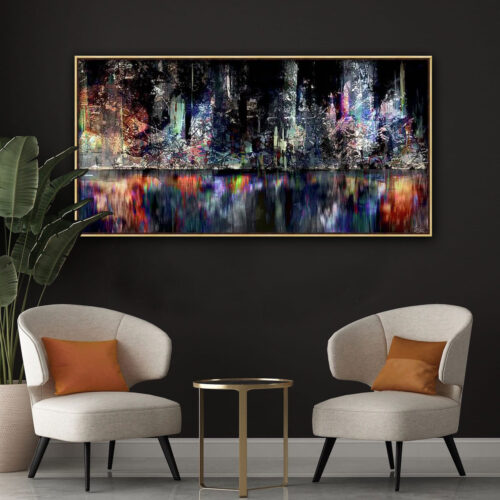
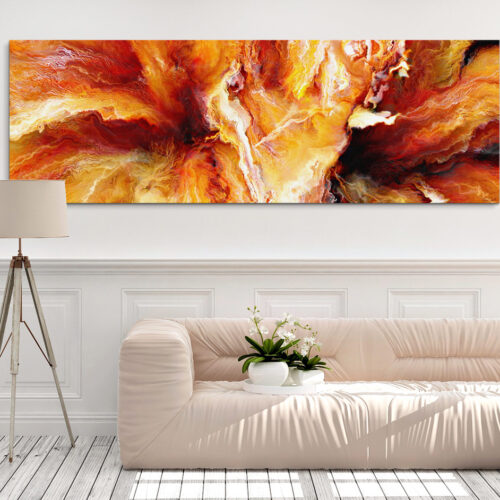
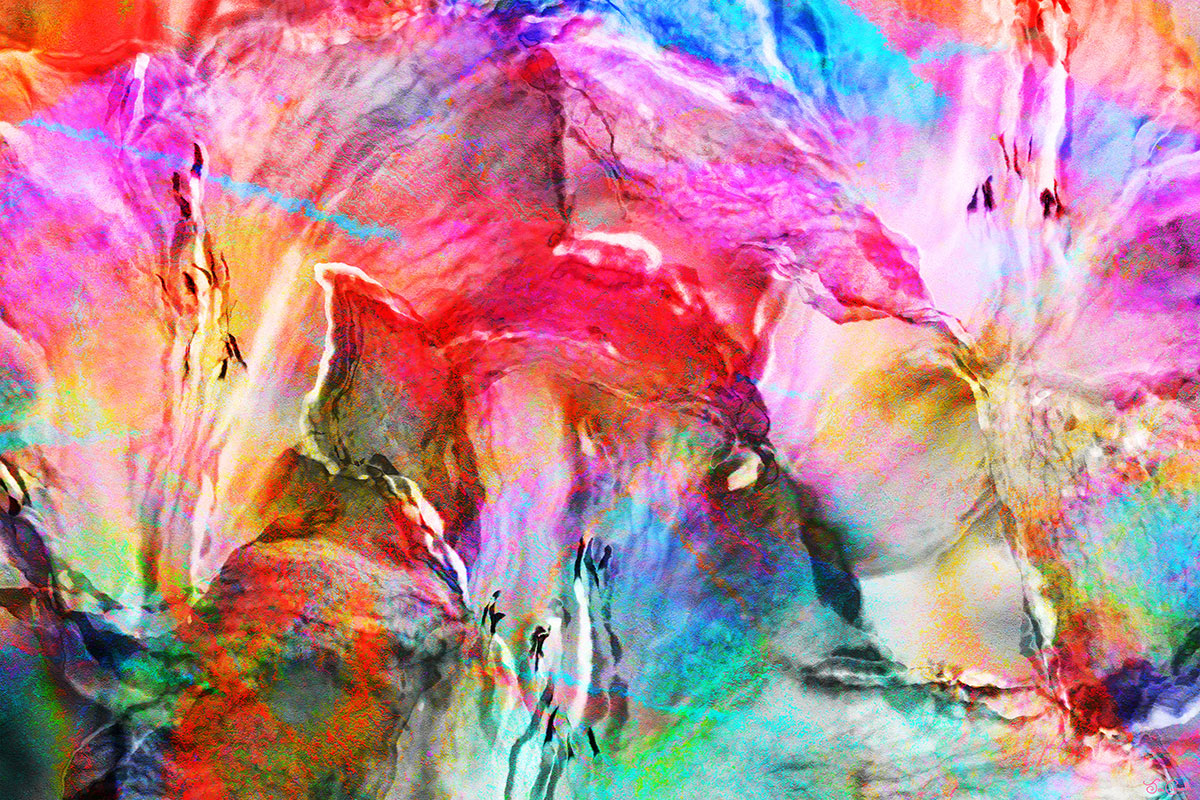
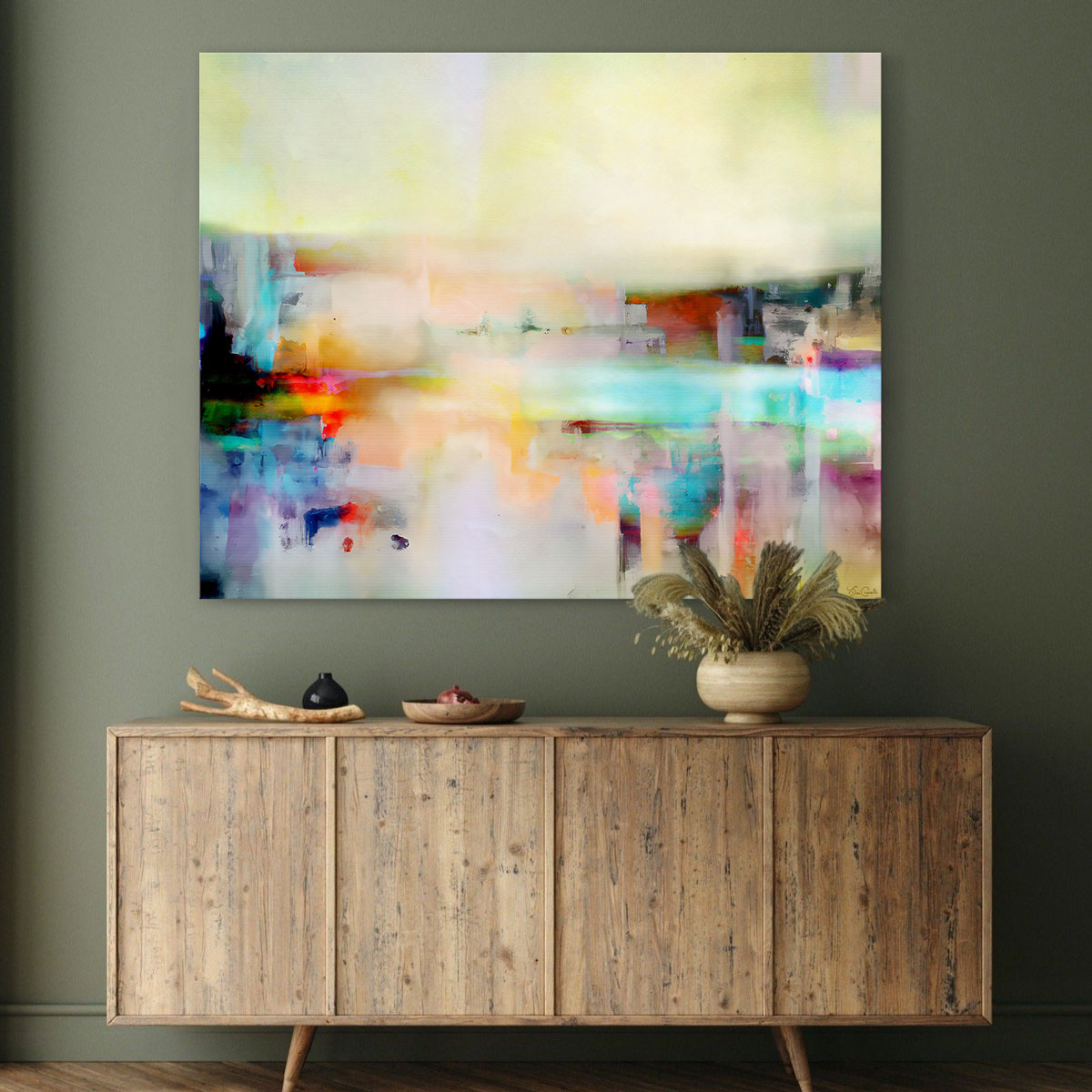
Good abstract art can capture your imagination and take you on a viewing journey. Abstract art should ultimately evoke something inside you. Here are large abstract art canvas paintings that are sure to please the senses. These are contemporary abstract art pieces inspired by either landscapes, cityscapes, flowers, rocks, and other natural formations.